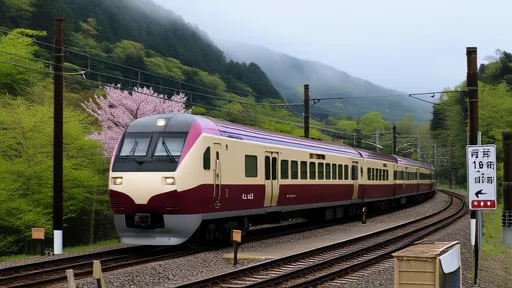
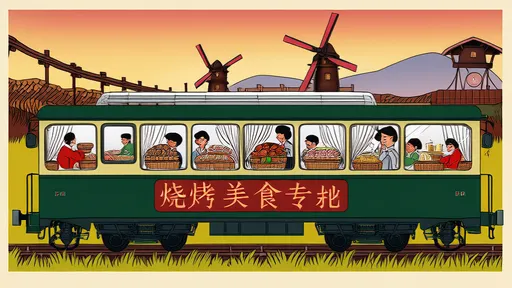
The recent launch of the Zibo BBQ Express has sparked a culinary pilgrimage between Jinan and Zibo, two cities in Shandong Province now linked by a weekend train service dedicated to food lovers. This unique rail offering isn’t just about transportation—it’s a cultural phenomenon, blending regional cuisine with travel in a way that’s distinctly Chinese. The service caters to both locals and tourists eager to experience Zibo’s famed barbecue scene, which has gained nationwide attention for its communal dining style and smoky, savory flavors.
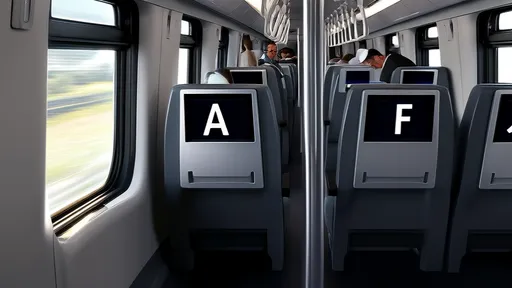
Departing from Jinan on Friday evenings and returning on Sunday nights, the Zibo BBQ Express operates on a schedule designed for weekend getaways. The train’s timing allows passengers to maximize their stay in Zibo, arriving just in time for dinner and departing after a leisurely weekend of exploration. The carriages themselves are themed around the barbecue experience, with decor featuring grill motifs and even onboard staff offering recommendations for the best local eateries. It’s a far cry from typical commuter rail services, leaning instead into the joy of anticipation that comes with a food-centric journey.
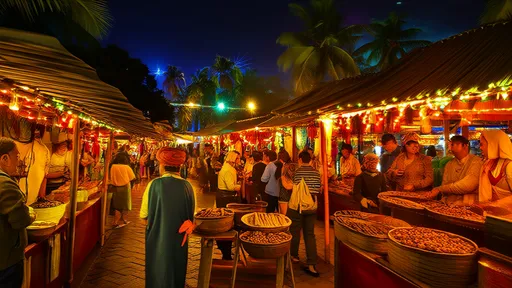
Zibo’s barbecue culture differs markedly from other regional styles in China. Here, diners grill their own meat at tabletop charcoal stoves, skewering thin slices of lamb, beef, and offal before dipping them in a dry spice blend that’s become the city’s signature. The interactive nature of the meal, combined with the affordability (a full meal rarely exceeds 50 yuan per person), has turned Zibo into an unlikely food tourism hotspot. The arrival of the BBQ train has only amplified this, with reservations for both the train and popular grill houses booking up weeks in advance during peak seasons.
What makes this service remarkable is how it reflects broader trends in Chinese domestic tourism. Rather than focusing on luxury or sightseeing, the Zibo BBQ Express taps into the growing desire for experiential travel—particularly among younger generations. Social media platforms like Xiaohongshu and Douyin are flooded with clips of travelers documenting their "train-to-table" adventures, further fueling interest. The railway authorities have cleverly partnered with local restaurants to offer combo tickets that include train fare and guaranteed seating at participating barbecue joints, eliminating the hassle of long queues.
Beyond the food itself, the weekend itinerary often includes stops at Zibo’s ceramic markets (the city was once a major kiln center) and the newly revitalized ancient commercial street, Zhongbu Lane. This blending of gastronomy with cultural heritage makes the trip appealing to a broader demographic—families with children, elderly couples, and groups of friends alike. The local government has embraced the tourism boom, deploying additional English-speaking volunteers at key locations and improving signage to accommodate the influx of visitors who arrive via the BBQ train.
Critics initially questioned whether a dedicated barbecue train was a sustainable investment, but its consistent sell-out rates have silenced most doubts. The service has proven so popular that discussions are underway to expand it to other cities in Shandong Province, potentially creating a network of culinary rail routes. For now, though, the Jinan-Zibo run remains the flagship, a testament to how niche tourism can thrive when paired with efficient infrastructure and genuine local character. As one recent passenger posted online: "It’s not just a meal—it’s a movable feast that starts the moment you board."

By /Jul 25, 2025

By /Jul 25, 2025

By /Jul 25, 2025

By /Aug 4, 2025

By /Jul 25, 2025

By /Jul 25, 2025

By /Jul 25, 2025

By /Jul 25, 2025
By /Jul 25, 2025
By /Jul 25, 2025

By /Aug 4, 2025

By /Jul 25, 2025

By /Aug 4, 2025

By /Jul 25, 2025

By /Aug 4, 2025

By /Aug 4, 2025
By /Jul 25, 2025

By /Aug 4, 2025
By /Aug 4, 2025
By /Jul 25, 2025
