The intricate dance of cultural etiquette takes center stage when encountering Thailand's profound wai greeting. This graceful gesture, far more nuanced than a simple bow or handshake, embodies the nation's spiritual heritage and social hierarchy. Foreign visitors often find themselves mesmerized by the fluid motion of pressed palms and lowered heads, yet uncertain about appropriate reciprocation. Mastering the art of returning a wai requires understanding its layered symbolism and contextual variations.
At its core, the Thai wai represents a physical manifestation of respect, gratitude, and acknowledgment. The positioning of the hands relative to the face and the depth of the bow communicate subtle social cues about the relationship between participants. While tourists aren't expected to perfect this centuries-old tradition, making a sincere effort to respond appropriately demonstrates cultural sensitivity that Thais deeply appreciate.
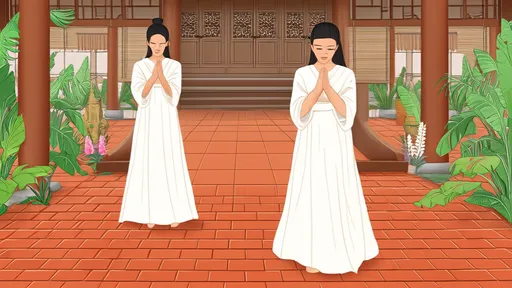
The mechanics of a proper wai begin with bringing the palms together in a prayer-like position at chest level. As the hands ascend toward the face, the fingertips should ideally reach between the chin and forehead depending on the recipient's status. The accompanying bow varies from a slight nod to a profound lowering of the upper body, synchronized with the hands' elevation. What foreigners often miss is the breath of intention - the momentary pause that transforms the motion from mechanical repetition to meaningful interaction.
Social hierarchy plays a pivotal role in determining the appropriate response. When receiving a wai from service staff or children, a slight nod with hands at chest level suffices. For peers or acquaintances of similar status, the hands typically rise to nose level with a moderate bow. The most respectful version - fingertips reaching the forehead with a deep bow - is reserved for monks, elders, or highly revered individuals. Misjudging these levels can create unintentional offense, making observation of local interactions invaluable.
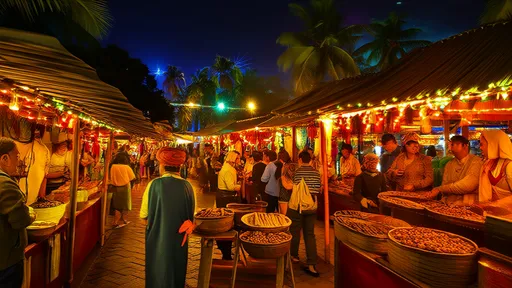
Timing represents another crucial element foreigners frequently mishandle. The reciprocal wai should commence as the other person initiates their gesture, creating a harmonious flow rather than a staggered exchange. Hesitation or delayed response can appear dismissive, while premature reciprocation might seem presumptuous. In bustling markets or casual encounters, a simplified version with quicker execution is acceptable, but formal situations demand deliberate, measured movements.
Monastic interactions require particular attention. When receiving blessings from Buddhist monks, laypersons should never wai in return while standing. The proper form involves kneeling or sitting on the ground with feet tucked behind, then performing the highest wai position. This reflects the monk's elevated spiritual status and maintains religious protocol. Many temples provide visual guides demonstrating this specialized etiquette for visitors.
Modern business settings have adapted the wai to contemporary professional contexts. Younger generations often combine the traditional gesture with a handshake during international meetings, creating a hybrid greeting. However, when in doubt, Thais generally appreciate foreigners defaulting to the conventional wai rather than imposing Western greetings. The key lies in performing the motion with genuine respect rather than perfection.
Cultural exceptions exist where returning a wai might actually cause discomfort. Street vendors, taxi drivers, or individuals carrying items typically don't expect reciprocation - a warm smile and verbal greeting suffice. Similarly, when both hands are occupied, Thais often compensate with an exaggerated nod and raised eyebrows, an acceptable alternative foreigners can emulate.
The spiritual dimension of the wai often goes unnoticed by visitors. Thais believe the gesture channels positive energy (metta) between participants. The pressed palms form an energy channel while the bow represents humility. This explains why hurried or sloppy wais feel unsatisfactory - they lack the intentional energy exchange. Foreigners who approach the gesture with this mindfulness often find their interactions become more meaningful.
For long-term visitors or expatriates, wai proficiency evolves through observation and practice. Noticing how Thais adjust their greetings for different settings provides invaluable context. Many language schools offer cultural workshops where instructors provide gentle correction, helping students avoid common pitfalls like holding the wai position too long or making unnecessary contact.
Photography etiquette presents a special consideration. When taking photos with Thai hosts, wait until after the wai exchange before raising cameras. Capturing the gesture mid-performance is considered disrespectful by traditional standards. Similarly, avoid wai-ing while holding food, drinks, or cigarettes, as this combines sacred symbolism with mundane objects.
Regional variations add another layer of complexity. Northern Thailand's Lanna culture incorporates subtle differences in hand positioning compared to Central Thai customs. In southern provinces, the wai often accompanies distinctive verbal greetings. Seasoned travelers learn to adapt their responses based on local practices rather than assuming nationwide uniformity.
Ultimately, the Thai wai transcends mere protocol - it's a window into the nation's soul. Foreigners who approach this tradition with patience and humility often discover that Thais value sincere effort over flawless execution. The momentary connection created through a properly returned wai can transform transactional interactions into meaningful cultural exchanges, paving the way for deeper understanding between visitor and host.
As globalization introduces new greeting customs worldwide, Thailand maintains the wai as a proud cultural signature. Visitors contribute to its preservation by engaging with the tradition respectfully. Those who master its nuances frequently report feeling more welcomed during their travels, proving that this ancient gesture remains a vibrant, living art form rather than a museum relic. The wai's enduring power lies in its ability to communicate respect across language barriers, creating instant rapport when performed with authentic intention.
By /Jul 25, 2025
By /Jul 25, 2025
By /Jul 25, 2025
By /Aug 4, 2025
By /Jul 25, 2025

By /Jul 25, 2025

By /Jul 25, 2025
By /Jul 25, 2025
By /Jul 25, 2025
By /Jul 25, 2025
By /Aug 4, 2025
By /Jul 25, 2025

By /Aug 4, 2025
By /Jul 25, 2025
By /Aug 4, 2025
By /Aug 4, 2025
By /Jul 25, 2025
By /Aug 4, 2025
By /Aug 4, 2025
By /Jul 25, 2025
