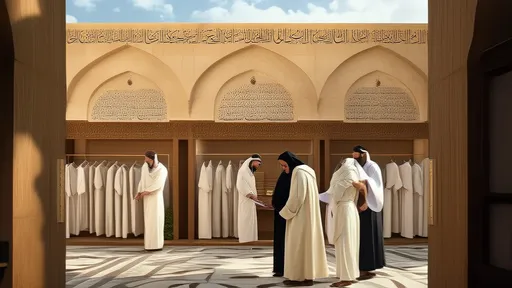
In many Middle Eastern countries, visiting a mosque is a profound spiritual experience that also requires adherence to specific dress codes. For travelers and non-Muslim visitors who may not be familiar with these customs or lack appropriate attire, numerous mosques across the region offer free robes at designated collection points. This thoughtful service ensures everyone can enter these sacred spaces respectfully, regardless of their background or clothing.
The tradition of providing free robes stems from the Islamic principle of inclusivity and hospitality. Mosques are not just places of worship but also community hubs where people from all walks of life are welcomed. The robes, often simple in design and usually white or neutral in color, symbolize purity and equality before God. They are typically made from lightweight, breathable fabric to accommodate the region’s hot climate while maintaining modesty.
Major mosques in cities like Dubai, Abu Dhabi, and Doha have well-organized systems for distributing these garments. Upon arrival, visitors will find clear signage directing them to the robe collection points, usually located near the entrance or in the visitor center. Staff or volunteers are often present to assist with sizing and ensure the robes are worn correctly. Women’s robes typically include a headscarf, while men’s robes are ankle-length and loose-fitting.
In some cases, the robes are available for temporary use during the visit, while others allow visitors to keep them as a memento or for future mosque visits. The system relies on trust and respect, with visitors expected to return the robes if they are not taking them home. This honor-based approach reflects the broader cultural values of the region.
Beyond practicality, these free robes serve an educational purpose. They provide a tangible way for visitors to engage with local customs and demonstrate respect for Islamic traditions. For many, wearing the robe becomes a memorable part of their cultural experience, fostering a deeper connection to the place and its people. Some mosques even incorporate brief orientation sessions about proper behavior inside the mosque when distributing the garments.
The availability of these robes varies depending on the mosque’s size and location. While grand mosques frequented by tourists almost always have them, smaller neighborhood mosques might not. It’s always advisable to check in advance or carry appropriate clothing as a backup. Many travel guides and tourism websites include this information to help visitors plan accordingly.
Interestingly, the quality and style of these robes often reflect the mosque’s architecture and stature. For instance, the robes at Abu Dhabi’s Sheikh Zayed Grand Mosque are particularly elegant, featuring subtle embroidery that complements the mosque’s magnificent design. This attention to detail enhances the overall visitor experience while maintaining the required modesty standards.
For budget-conscious travelers, these free robes present a practical solution that eliminates the need to purchase special clothing for mosque visits. They also reduce the stress of packing specific outfits for religious sites, making spontaneous visits possible. Many visitors appreciate this convenience, especially when traveling with limited luggage space.
The system isn’t without its challenges. During peak tourist seasons, some mosques may temporarily run out of robes, leading to wait times. There’s also the occasional issue of visitors treating the robes disrespectfully or attempting to take more than their share. However, mosque authorities generally handle such situations with grace and patience, emphasizing education over confrontation.
Environmental considerations have recently come into play as well. Some mosques have begun implementing sustainable practices, such as using robes made from recycled materials or establishing cleaning and reuse programs. These initiatives align with Islamic teachings about environmental stewardship while maintaining the tradition of hospitality.
Ultimately, the free robe system at Middle Eastern mosques represents much more than a practical solution to dress code requirements. It embodies the region’s welcoming spirit, bridging cultural gaps and facilitating meaningful exchanges between visitors and local communities. For many travelers, receiving and wearing these simple garments becomes one of the most touching memories of their Middle Eastern journey.

By /Jul 25, 2025

By /Jul 25, 2025

By /Jul 25, 2025

By /Aug 4, 2025

By /Jul 25, 2025

By /Jul 25, 2025

By /Jul 25, 2025

By /Jul 25, 2025

By /Jul 25, 2025
By /Jul 25, 2025

By /Aug 4, 2025

By /Jul 25, 2025

By /Aug 4, 2025
By /Jul 25, 2025

By /Aug 4, 2025

By /Aug 4, 2025

By /Jul 25, 2025

By /Aug 4, 2025

By /Aug 4, 2025

By /Jul 25, 2025
