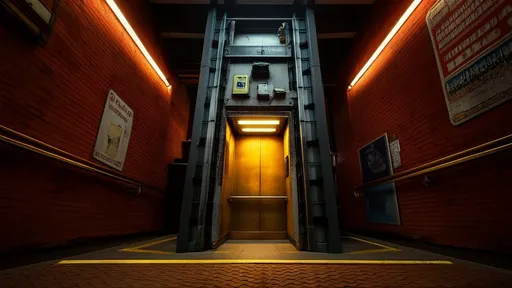
In the heart of Changsha, a city known for its vibrant culture and spicy cuisine, lies a hidden gem that has become a magnet for social media enthusiasts and photography aficionados. The Supernova of this urban exploration scene is none other than the concealed elevator within the retro-styled floors of Wenheyou. This unassuming yet mesmerizing spot has quietly risen to fame, offering a portal to a bygone era while serving as the perfect backdrop for those seeking the ultimate Instagram shot.
The Wenheyou complex itself is a sprawling tribute to the nostalgia of 1980s and 1990s China, meticulously recreating the atmosphere of old Changsha with its maze-like alleys, vintage shopfronts, and period-appropriate decor. What makes this location particularly special is how it transports visitors through time without requiring a time machine. The attention to detail is staggering - from the weathered posters advertising long-discontinued products to the authentic smells of traditional Hunan dishes wafting through the air.
Amidst this carefully curated nostalgia trip, the hidden elevator stands out as both a functional element and an artistic statement. Unlike the flashy, glass-walled elevators found in modern shopping malls, this particular lift is tucked away behind what appears to be an ordinary residential doorway. The entrance is so inconspicuous that many visitors walk right past it multiple times before realizing its existence, adding to the sense of discovery when it's finally located.
The elevator's interior continues the retro theme with its brass control panel, manual gate, and the distinct mechanical sounds that accompany its operation. For those who remember China's transition period between the planned economy and market reforms, riding this elevator evokes powerful memories. The slow ascent or descent becomes more than just vertical transportation - it's a journey through collective memory, with each floor representing a different facet of urban life from decades past.
Photographers have particularly fallen in love with the play of light and shadow within the elevator shaft during certain times of day. The way sunlight filters through the small windows creates dramatic lighting conditions that can't be replicated with studio equipment. Many local influencers schedule their visits around these golden hours, knowing the natural illumination will elevate their content above the typical social media fare.
What's fascinating about this phenomenon is how it represents a broader cultural shift. In an age where sleek minimalism dominates architectural trends, there's a growing appetite for spaces that tell stories and connect people to history. The Wenheyou elevator satisfies this craving perfectly, offering both aesthetic appeal and emotional resonance. It's not just a photo spot; it's become a pilgrimage site for those seeking authenticity in an increasingly homogenized urban landscape.
The popularity of this location has led to some interesting social dynamics. Regular visitors have developed unspoken rules about queuing and photo-taking etiquette, creating a self-regulating community around the space. Local businesses have taken notice too, with nearby shops adjusting their hours to cater to the influx of photography enthusiasts. Some have even started offering vintage-themed props and clothing rentals to help visitors complete their nostalgic looks.
As with any internet-famous location, there are concerns about over-commercialization and preservation. The building's managers have walked a delicate line between accommodating visitors and maintaining the site's integrity. Recent subtle modifications, like reinforced flooring and improved safety features, show how historic spaces can adapt to modern demands without losing their essential character.
For travelers planning to visit, the experience extends far beyond a quick elevator ride. The true magic happens when you allow yourself to get lost in Wenheyou's labyrinthine corridors, discovering hidden corners and unexpected vignettes at every turn. The elevator might be the star attraction, but the supporting cast of street food stalls, antique shops, and impromptu performances create a rich tapestry that deserves equal attention.
This phenomenon raises interesting questions about how we interact with urban spaces in the digital age. The Wenheyou elevator wasn't designed to be a tourist attraction - it was simply part of an ambitious architectural project. Yet through the alchemy of social media and collective imagination, it has transformed into something much greater than the sum of its parts. It serves as a reminder that sometimes, the most compelling destinations aren't the obvious landmarks, but the overlooked details that capture our shared humanity.
As Changsha continues to evolve as a hub for creative culture, spots like the Wenheyou elevator demonstrate how cities can honor their past while embracing the future. They provide physical anchors for cultural memory while serving as canvases for contemporary expression. In an era where many fear globalization will erase local character, these authentic spaces offer hope that distinctiveness can not only survive but thrive in our interconnected world.
The story of this hidden elevator mirrors larger narratives about urban exploration and digital discovery. It shows how platforms like Instagram and Xiaohongshu have changed the way we experience cities, turning everyday spaces into destinations and ordinary citizens into curators of their urban environments. The Wenheyou phenomenon proves that in the right context, even something as mundane as an elevator can become extraordinary.
For those who haven't yet made the pilgrimage, the experience awaits - behind an unmarked door, down a narrow corridor, in the heart of a city that continues to surprise and delight. Just remember to put your phone down occasionally and experience the moment directly, not just through a viewfinder. The true magic of this place isn't just in how it looks on camera, but in how it makes you feel when you're actually there, transported through time by the gentle hum of an elevator that's become so much more than a machine.
By /Jul 25, 2025

By /Jul 25, 2025
By /Jul 25, 2025

By /Aug 4, 2025

By /Jul 25, 2025

By /Jul 25, 2025

By /Jul 25, 2025
By /Jul 25, 2025
By /Jul 25, 2025
By /Jul 25, 2025

By /Aug 4, 2025
By /Jul 25, 2025

By /Aug 4, 2025
By /Jul 25, 2025
By /Aug 4, 2025

By /Aug 4, 2025
By /Jul 25, 2025
By /Aug 4, 2025
By /Aug 4, 2025
By /Jul 25, 2025
