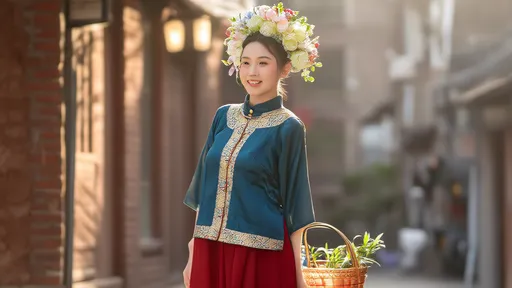
The ancient fishing village of Xunpu in Quanzhou has become an unexpected hotspot for travelers seeking a unique cultural immersion. Among its winding alleys and oyster-shell houses, visitors discover the opportunity to transform into Xunpu women through the iconic floral headdress experience. For just 40 RMB, tourists can adorn the elaborate zanhuawei headpieces and traditional costumes, creating Instagram-worthy moments against the village's photogenic backdrop.
However, beneath the surface of this picturesque experience lies a minefield of potential disappointments. Many visitors arrive with visions of vibrant cultural exchange, only to leave feeling like they've participated in an assembly-line photoshoot. The key to avoiding this fate lies in understanding the subtle dynamics of Xunpu's floral headdress industry. Locals whisper about certain shops recycling flowers without proper cleaning, while others cut corners by using cheaper, less authentic materials in their arrangements.
The morning light casts a magical glow over Xunpu's stone pathways, revealing why savvy travelers set their alarms early. By arriving before the tour buses, you'll not only avoid the crowds but also secure the freshest floral arrangements. The village's elderly women, whose weathered hands have crafted these headdresses for decades, often reserve their most intricate designs for first customers. Watch for shops where actual Xunpu grandmothers are doing the styling - their lifetime of experience translates into more authentic arrangements than what you'll get from temporary workers during peak hours.
Photography services present another layer of complexity. While the 40 RMB fee typically includes basic styling, many visitors report feeling pressured into hiring village photographers at additional cost. These photographers know all the angles and poses that work best with the headdresses, but their services can triple your expected expenditure. Travelers on a budget should consider bringing their own camera and studying composition techniques beforehand. The most stunning shots often come from unexpected perspectives - reflections in puddles, silhouettes against sunset-lit oyster walls, or candid moments captured while walking between locations.
Seasonal considerations dramatically affect the experience. Summer months bring unbearable humidity that causes floral arrangements to wilt within hours, while winter's chill makes the traditional costumes uncomfortably thin. The sweet spots emerge during spring's temperate days and autumn's golden light, when the flowers maintain their vibrancy longer and the coastal breeze carries the scent of salt and blossoms. Tuesday through Thursday typically sees fewer visitors, allowing for more personalized attention from stylists and better photo opportunities without strangers in your frame.
Beyond the surface-level photography, the true magic of Xunpu reveals itself through interactions with the village's matriarchs. These women, whose daily lives still reflect centuries-old traditions, often share fascinating stories while arranging flowers in your hair. Ask about their childhood memories of the village, the symbolism behind specific flower choices, or how the community has changed. These conversations transform a costume experience into genuine cultural connection. Some shops even offer short workshops where visitors can learn basic headdress assembly techniques - a worthwhile investment for those wanting deeper understanding.
Payment transparency remains an issue that catches many visitors off guard. While the standard rate is indeed 40 RMB, additional charges frequently appear for costume upgrades, accessory rentals, or even basic amenities like changing rooms. Savvy travelers recommend confirming every included item in writing before sitting down for styling. Some particularly unscrupulous operators have been known to demand extra payment after the service is complete, holding personal belongings hostage until fees are paid. Keeping small bills separate from your main wallet prevents awkward situations and facilitates smooth transactions.
The environmental impact of this booming tourism trend raises important questions. With thousands of visitors cycling through daily during peak season, the volume of flowers required has altered local supply chains. Ecologically conscious travelers might inquire whether shops participate in flower recycling programs or use sustainable materials. A few forward-thinking operators now offer artificial flower options that can be reused, reducing waste while maintaining photographic appeal. These alternatives often withstand weather conditions better than fresh blooms, especially during rainy periods.
Cultural appropriation concerns linger at the edges of this experience. While local residents generally welcome the economic boost, some elders express discomfort at seeing their traditions reduced to photo props. Visitors can demonstrate respect by learning basic phrases in the local dialect, understanding the headdress's historical significance, and supporting businesses that employ traditional artisans at fair wages. The most meaningful encounters happen when travelers approach the experience as students rather than consumers, recognizing the living culture behind the beautiful imagery.
As sunset paints the village in warm hues, the evening exodus begins. Most day-trippers depart as the light fades, creating opportunities for overnight visitors to experience Xunpu's quieter magic. A handful of homestays allow guests to wear their headdresses into the evening, participating in rare moments when the streets empty and the village's timeless character emerges. These hours reveal spontaneous gatherings where local women repair fishing nets, share meals, and yes - rearrange each other's floral adornments with the casual intimacy of lifelong practice.
The Xunpu floral headdress experience ultimately reflects the paradoxes of modern cultural tourism. What begins as a simple photo opportunity can blossom into profound cross-cultural exchange - if approached with patience, respect, and willingness to look beyond the Instagram facade. The difference between a disappointing tourist trap and a transformative encounter often comes down to choices made before arriving: which shop to support, what questions to ask, how much time to allocate. For those who navigate these waters thoughtfully, the reward is connection with a vanishing way of life that continues to bloom against all odds, much like the vibrant flowers crowning every visitor's head.
By /Jul 25, 2025

By /Jul 25, 2025

By /Jul 25, 2025

By /Aug 4, 2025
By /Jul 25, 2025

By /Jul 25, 2025

By /Jul 25, 2025

By /Jul 25, 2025

By /Jul 25, 2025
By /Jul 25, 2025
By /Aug 4, 2025

By /Jul 25, 2025

By /Aug 4, 2025

By /Jul 25, 2025

By /Aug 4, 2025

By /Aug 4, 2025
By /Jul 25, 2025

By /Aug 4, 2025

By /Aug 4, 2025

By /Jul 25, 2025
