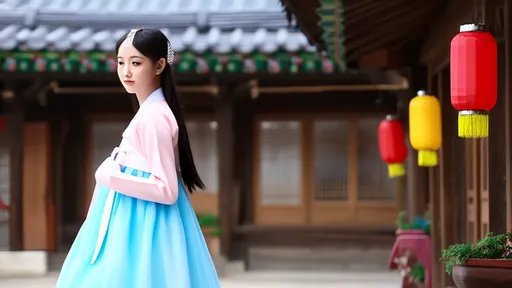
The popularity of ethnic photography has surged in recent years, with more travelers seeking to capture their journeys through culturally immersive portraits. In Yanji, a city renowned for its vibrant Korean-Chinese heritage, donning traditional Korean attire (hanbok) for photoshoots has become a must-do activity. However, the booming demand for costume rentals has also led to a market saturated with varying quality and pricing traps. Navigating the world of 100-yuan hanbok rentals requires insider knowledge to avoid overpaying for subpar experiences.
Walking through Yanji’s bustling streets, visitors will notice countless studios advertising affordable hanbok rentals. The promise of a full outfit for around 100 yuan (approximately $15) seems enticing, but the reality often involves hidden costs or compromises. Some shops lure customers with low base prices only to charge extra for accessories like hairpieces, shoes, or even basic styling. Others may offer outdated or poorly maintained costumes that appear lackluster in photos. The key is to research studios in advance, checking reviews for mentions of transparency and overall value.
Beyond pricing, the quality of the hanbok itself plays a crucial role in the outcome of the photoshoot. Authentic Korean traditional clothing features intricate embroidery, vibrant colors, and high-quality fabrics that drape elegantly. Unfortunately, some budget rental shops cut corners by offering mass-produced polyester versions that lack the richness of genuine hanbok. Discerning travelers should inspect the garments before committing—look for fine stitching, natural fabric textures, and historically accurate designs. A well-made hanbok not only photographs beautifully but also enhances the wearer’s connection to the culture.
Timing is another often-overlooked factor in securing the best rental experience. Yanji’s peak tourist seasons, particularly during festivals or holidays, see a surge in demand for hanbok rentals. During these periods, studios may hike prices or run out of premium options early in the day. Early mornings or weekdays tend to offer more availability and sometimes even discounted rates. Additionally, photographers familiar with the area note that golden hour—shortly after sunrise or before sunset—provides the most flattering natural light for outdoor shoots, making it worth planning the rental period accordingly.
Location scouting goes hand-in-hand with costume selection when planning the perfect Yanji portrait session. While many studios are clustered around popular tourist spots like the Yanji Korean Folk Village, venturing slightly off the beaten path can yield more authentic backdrops. Traditional wooden houses, serene temple gardens, or even quiet alleys with hanging lanterns often provide more atmospheric settings than crowded main squares. Some rental shops have partnerships with nearby venues, offering discounted or free entry when customers present their rental receipts—a perk worth inquiring about.
The rise of social media has transformed how travelers discover and evaluate hanbok rental services in Yanji. Platforms like Xiaohongshu (China’s version of Instagram) are flooded with user-generated content showcasing various studios’ offerings. Savvy visitors can mine these posts for honest assessments of pricing, service quality, and photogenic potential. However, it’s important to recognize that some seemingly organic posts may actually be paid promotions. Cross-referencing multiple sources and looking for consistent praise or complaints helps separate genuine recommendations from marketing ploys.
Language barriers can present unexpected challenges when renting hanbok in Yanji. While many shop owners speak basic Mandarin, detailed discussions about costume styles or rental terms may require patience or translation apps. Those particularly invested in historical accuracy should prepare Korean or Chinese terms for specific hanbok components they desire. Bringing reference photos can bridge communication gaps and ensure the selected outfit matches expectations. Some higher-end studios employ staff fluent in multiple languages, making them worth the slightly higher price for international visitors seeking smooth interactions.
Cultural sensitivity remains paramount when engaging with Yanji’s Korean heritage through photography. While hanbok rentals are commercial activities, they represent living traditions that locals hold dear. Respectful behavior includes handling costumes with care, following studio guidelines for wear, and being mindful of appropriate settings for photos. Some religious or ceremonial sites may restrict photography or require particular decorum when wearing traditional attire. Observing how local wear their hanbok—from how the ribbons are tied to how the sleeves are arranged—can add authenticity to both the experience and the resulting images.
As the hanbok rental market in Yanji continues to evolve, new trends emerge each season. Recently, some studios have begun offering themed packages that combine makeup services, professional photography, and even short video productions alongside costume rentals. While these comprehensive options exceed the 100-yuan benchmark, they often provide better overall value than piecing together services separately. Other innovative shops now provide “hanbok experience” sessions that include brief cultural lessons about the clothing’s history and significance—transforming a simple photoshoot into an educational encounter.
Ultimately, the magic of a Yanji hanbok portrait lies not just in the visual outcome but in the memories created during the process. The right rental experience combines fair pricing with quality costumes, knowledgable service, and respectful cultural exchange. By approaching the market with research-backed awareness rather than just chasing the lowest price, visitors can secure both stunning photographs and meaningful connections to Korean-Chinese traditions. As one local photographer aptly puts it, “A true hanbok portrait captures more than a person in costume—it tells the story of a cultural moment.”
By /Jul 25, 2025

By /Jul 25, 2025
By /Jul 25, 2025

By /Aug 4, 2025
By /Jul 25, 2025

By /Jul 25, 2025

By /Jul 25, 2025

By /Jul 25, 2025
By /Jul 25, 2025
By /Jul 25, 2025
By /Aug 4, 2025
By /Jul 25, 2025

By /Aug 4, 2025
By /Jul 25, 2025
By /Aug 4, 2025

By /Aug 4, 2025
By /Jul 25, 2025
By /Aug 4, 2025
By /Aug 4, 2025
By /Jul 25, 2025
