India's rich cultural tapestry is woven with countless traditions, many of which revolve around the sacred act of dining. Among these, the left-hand taboo stands as one of the most universally observed yet least understood customs by foreign visitors. This unspoken rule governs everything from passing dishes to handling utensils, and violating it can lead to unintended social faux pas.
The origins of India's left-hand prohibition are deeply rooted in both practicality and spirituality. Historically, in the absence of toilet paper, the left hand served hygienic purposes in sanitation. This functional association gradually evolved into a cultural stigma, with the left hand becoming symbolically "impure" in contrast to the right hand's sacred role in eating and social interactions. Ancient Hindu texts further codified this distinction, linking the right hand to deities and auspicious activities while relegating the left to inauspicious or mundane tasks.
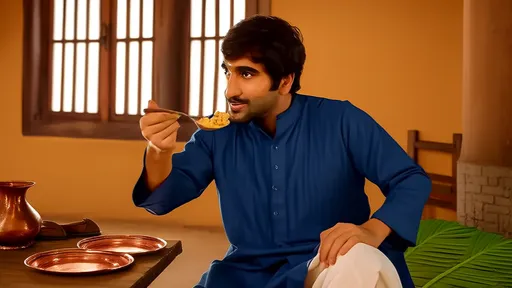
Dining etiquette transforms completely when observed through this cultural lens. Traditional Indian meals often involve eating with hands rather than cutlery, making hand choice particularly conspicuous. The right hand becomes the sole acceptable instrument for bringing food to the mouth, tearing bread, or serving from communal dishes. Even left-handed individuals typically adapt to this norm during meals, though they may use their dominant hand for other daily activities without censure.
Regional variations add fascinating complexity to this custom. In South India, where banana leaves often serve as plates, the left hand may lightly steady the leaf while eating - but never touch food directly. Northern communities tend to be more stringent, with some orthodox families considering accidental left-hand contact sufficient reason to discard affected dishes. Coastal regions demonstrate surprising flexibility during seafood feasts, where cracking shells sometimes warrants temporary left-hand use.
The business lunch pitfall catches many Western professionals unaware. That innocent gesture of passing documents with the left hand during a meal? Potentially disastrous. Seasoned expats recommend developing ambidextrous habits for such situations - signing contracts with the right while keeping the left discreetly occupied holding a napkin. Indian hosts often overlook foreigners' slip-ups graciously, but conscious effort earns respect.
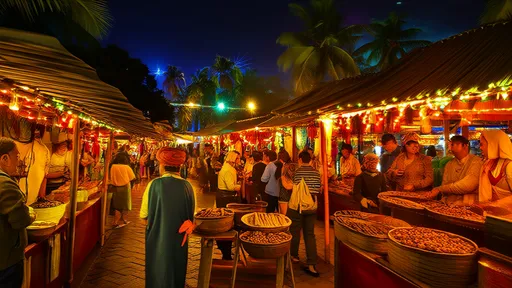
Street food culture presents unique challenges to the left-hand rule. When juggling paper-wrapped snacks and drinks without seating, foreigners frequently default to comfortable hand choices. Observant vendors sometimes intervene with polite suggestions, like "Saab, right hand se khao" (Sir, eat with your right hand). These moments offer delightful cultural exchange opportunities when approached with humility and curiosity.
Modern India witnesses generational shifts in hand taboo observance. Upscale restaurants in metropolitan areas increasingly accommodate left-handed diners with specialized cutlery arrangements. Food delivery apps have created scenarios where the original hygiene rationale no longer applies. Yet even among progressive urban youth, the emotional resonance of "clean" versus "unclean" hands persists during religious feasts or family gatherings.
For travelers determined to master this dining nuance, subtle techniques help. Watch how locals position their "idle" left hand - often resting palm-up on the lap or lightly gripping the thali rim. When sharing dishes, practice the "right-hand relay" where items pass from your right to another's right hand. At buffets, use serving spoons with your right hand exclusively. These small gestures demonstrate cultural sensitivity beyond basic tourist awareness.
The left-hand prohibition extends beyond meals into spiritual contexts that often overlap with dining. Temple prasad (blessed food) demands right-hand reception. Sikh langar (community kitchen) servers typically distribute portions right-handed. Even seemingly secular actions like handing money to street vendors carries unspoken rules - many still prefer receiving cash with the right hand despite modern hygiene standards.
Seasoned travelers develop a sixth sense for these invisible boundaries. That moment when a waiter "accidentally" replaces your fork from the left side to the right. The extra napkin offered after you lick left-hand fingers. These subtle corrections form India's characteristic blend of indirect communication and profound hospitality - preserving tradition while gently educating outsiders.
Ultimately, the left-hand taboo transcends mere etiquette. It represents India's intricate social choreography where every gesture carries historical weight and communal meaning. Visitors who embrace this custom discover deeper layers of connection - whether receiving homemade sweets from a grandmother's right hand or participating in the synchronized dance of a wedding feast. In these moments, the simple choice of hand becomes a bridge rather than a barrier.

By /Jul 25, 2025
By /Jul 25, 2025
By /Jul 25, 2025

By /Aug 4, 2025

By /Jul 25, 2025

By /Jul 25, 2025

By /Jul 25, 2025
By /Jul 25, 2025
By /Jul 25, 2025
By /Jul 25, 2025

By /Aug 4, 2025

By /Jul 25, 2025

By /Aug 4, 2025

By /Jul 25, 2025

By /Aug 4, 2025

By /Aug 4, 2025

By /Jul 25, 2025

By /Aug 4, 2025

By /Aug 4, 2025
By /Jul 25, 2025
