Alcohol has long been a staple at social gatherings, from casual dinners to festive celebrations. While it can enhance the mood and facilitate bonding, excessive consumption poses significant risks to health and safety. Understanding how to mitigate these dangers without sacrificing the convivial atmosphere is crucial. This article explores practical strategies to buffer the harmful effects of alcohol during group meals, ensuring a safer and more enjoyable experience for everyone involved.
The Social Dynamics of Drinking
In many cultures, sharing a drink is synonymous with camaraderie. The clinking of glasses symbolizes unity, and refusing a drink can sometimes feel like rejecting an invitation to connect. This social pressure often leads individuals to consume more than they intended, blurring the line between moderate enjoyment and overindulgence. Recognizing these dynamics is the first step toward creating a healthier drinking environment.
One effective approach is to shift the focus from alcohol to the shared experience itself. Emphasizing conversation, food, and activities can reduce the perceived need to drink excessively. Hosts can set the tone by offering high-quality non-alcoholic beverages alongside traditional options, ensuring that those who choose not to drink still feel included. This subtle shift can alleviate peer pressure and encourage more mindful consumption.
The Role of Food in Moderation
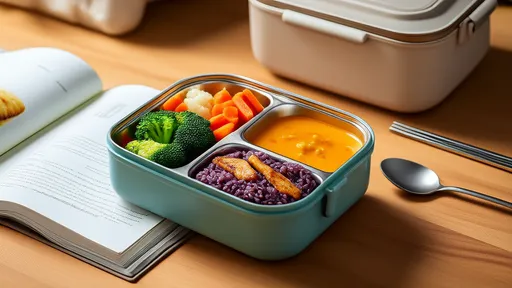
Food plays a critical role in mitigating alcohol's effects. A well-planned meal can slow the absorption of alcohol into the bloodstream, reducing the risk of rapid intoxication. Protein-rich dishes, healthy fats, and complex carbohydrates are particularly effective at creating a buffer. For instance, serving appetizers like cheese, nuts, or olives before the main course can help guests pace their drinking.
Encouraging guests to eat before drinking is another simple yet powerful strategy. A stomach lined with food slows down the rate at which alcohol enters the system, preventing sudden spikes in blood alcohol concentration. Hosts can facilitate this by timing the meal to coincide with the arrival of guests or by providing hearty snacks early in the evening. This not only promotes safer drinking but also enhances the overall dining experience.
Hydration as a Counterbalance
Alcohol's diuretic effect often leads to dehydration, exacerbating hangovers and impairing judgment. Encouraging hydration throughout the event can counteract this. Offering water stations or placing pitchers on the table serves as a visual reminder to drink water between alcoholic beverages. Infused water with citrus or herbs can make hydration more appealing, especially for those who find plain water unexciting.
Another tactic is to incorporate hydrating foods into the menu. Fruits like watermelon, cucumber slices, or berries have high water content and can help maintain fluid balance. Soups or broths are also excellent choices, particularly in colder weather. By integrating these elements, hosts can subtly guide guests toward healthier habits without drawing attention to the issue.
Setting Clear Boundaries
Unspoken rules about drinking can sometimes lead to misunderstandings. Establishing clear boundaries beforehand can prevent uncomfortable situations. For example, hosts might announce that the event will include a "last call" for alcohol well before the gathering ends, allowing guests to wind down naturally. This prevents abrupt cutoffs that could feel punitive or awkward.
For those who prefer not to drink at all, providing alternatives like craft mocktails or artisanal teas can make abstaining feel like a choice rather than a limitation. Highlighting these options as premium selections rather than afterthoughts reinforces their value and reduces stigma around non-drinking. When guests see that thoughtful alternatives are available, they may feel more comfortable opting for them.
Recognizing the Signs of Overindulgence
Even with precautions, some guests may still overconsume. Recognizing the early signs of intoxication—slurred speech, unsteady movements, or heightened emotions—allows for timely intervention. Discreetly offering water, suggesting a break from drinking, or engaging the person in a low-key activity can help them regain control without embarrassment.
In cases where someone has had too much to drink, arranging safe transportation is non-negotiable. Whether it’s calling a ride-sharing service or designating a sober driver, ensuring everyone gets home safely should always be a priority. This not only protects the individual but also demonstrates a collective commitment to responsibility.
Creating a Culture of Mindful Drinking
Ultimately, the goal is to foster an environment where alcohol enhances rather than dominates the occasion. By integrating these strategies, hosts can create gatherings that prioritize connection and enjoyment over excessive drinking. Over time, these practices can shift social norms, making moderation the default rather than the exception.
The conversation around alcohol and socializing is evolving. As more people seek balance in their lifestyles, reimagining the role of alcohol in group settings becomes increasingly important. With thoughtful planning and a focus on inclusivity, it’s possible to enjoy the best of both worlds—great company and great health.

By /Jul 21, 2025

By /Jul 21, 2025

By /Jul 21, 2025

By /Jul 21, 2025
By /Jul 21, 2025

By /Jul 21, 2025

By /Jul 21, 2025

By /Jul 21, 2025

By /Jul 21, 2025

By /Jul 21, 2025

By /Jul 21, 2025

By /Jul 21, 2025

By /Jul 21, 2025
By /Jul 21, 2025

By /Jul 21, 2025

By /Jul 21, 2025

By /Jul 21, 2025

By /Jul 21, 2025

By /Jul 21, 2025

By /Jul 21, 2025
