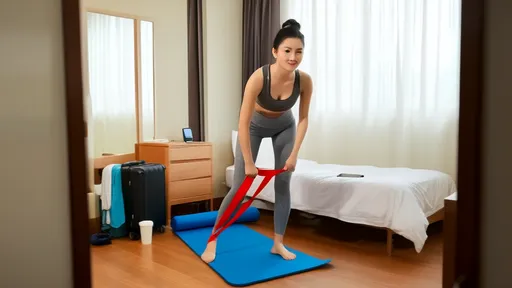
For frequent travelers, maintaining a fitness routine can often feel like an impossible challenge. Between packed itineraries, unfamiliar environments, and limited equipment, the hotel room becomes both a sanctuary and a confinement. However, with the right approach, those four walls can transform into an effective gym. The key lies in adapting traditional exercises to compact spaces while leveraging bodyweight resistance and creativity.
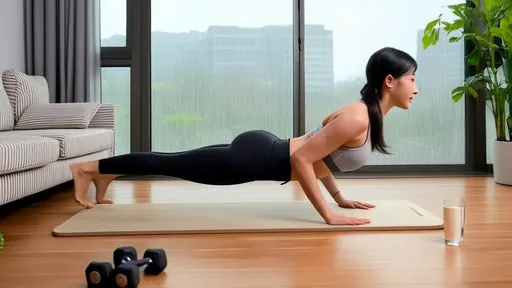
The foundation of any hotel room workout is simplicity. You don’t need dumbbells or resistance bands to get your heart rate up or build strength. Push-ups, squats, lunges, and planks are timeless exercises that require nothing but your own body. The trick is to focus on form and controlled movements. Slowing down each repetition increases muscle engagement, turning a basic push-up into a formidable challenge. For those who crave variety, altering hand positions or elevating feet on furniture can target different muscle groups.
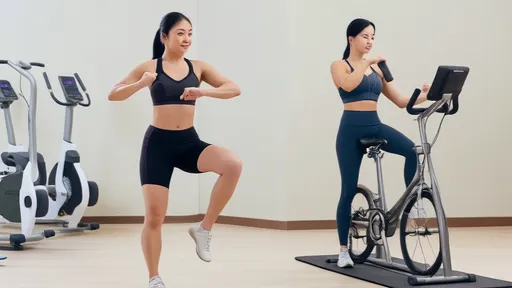
Cardio is often the hardest component to replicate in confined spaces, but it’s far from impossible. High-intensity interval training (HIIT) thrives in small areas. A combination of jumping jacks, burpees, mountain climbers, and high knees can elevate your heart rate quickly. If noise is a concern—think thin hotel walls at dawn—opt for silent alternatives like standing crunches or seated leg lifts. The goal isn’t to replicate a treadmill sprint but to keep the body moving and the blood pumping.
Creativity becomes your greatest ally when equipment is scarce. A sturdy chair doubles as a step for triceps dips or elevated lunges. The bed frame can anchor leg raises for core work. Even a towel, when rolled tightly, serves as a makeshift slider for hamstring curls or mountain climbers. The limitations of a hotel room force you to rethink movement patterns, often leading to discoveries of underutilized muscles. This adaptability not only keeps workouts fresh but also prevents plateaus by constantly challenging the body in new ways.
One overlooked advantage of hotel room training is the absence of distractions. Unlike crowded gyms, there are no waiting lines for equipment or social pressures. This solitude allows for deeper focus on breathing and muscle engagement. It’s an opportunity to practice mindful movement—something rarely achievable in commercial fitness spaces. The privacy also encourages experimentation with unfamiliar exercises without self-consciousness.
Consistency matters more than duration. Even 15 minutes of targeted movement can maintain momentum between longer workout sessions. The psychological benefit of sticking to a routine while traveling shouldn’t be underestimated. It creates a sense of normalcy amidst chaotic schedules and reinforces discipline that carries over into other areas of life. Many find that these compact workouts actually increase their energy levels for sightseeing or business meetings rather than depleting them.
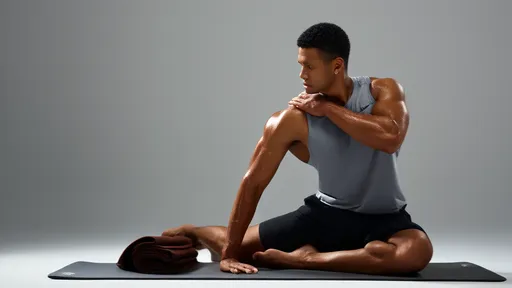
Temperature regulation in hotel rooms presents another consideration. Unlike climate-controlled gyms, you might be dealing with dry air conditioning or stuffy environments. Staying hydrated becomes crucial, as does listening to your body’s signals. A small travel fan and microfiber towel can make all the difference in comfort. Some travelers even incorporate yoga or dynamic stretching to counteract the stiffness from long flights or cramped seating.
The mental aspect of these workouts is equally transformative. Completing a sweat session in an unconventional space builds resilience and problem-solving skills. It proves that fitness isn’t location-dependent but rather mindset-dependent. This realization often sparks more creative approaches to nutrition and activity choices throughout the trip. Suddenly, taking the stairs becomes preferable to the elevator, and walking tours feel like opportunities rather than obligations.
Technology can enhance but shouldn’t dictate these routines. While fitness apps and streaming workouts offer guidance, the most sustainable approach is developing an intuitive understanding of your body’s needs. Travel disrupts sleep patterns and meal routines, so workouts should adapt accordingly. Some days might call for vigorous movement to combat jet lag; others might require gentle mobility exercises to recover from hiking or prolonged sitting.
Business travelers facing back-to-back meetings can integrate movement seamlessly. Isometric holds during phone calls, calf raises while brushing teeth, or shoulder rolls between emails accumulate meaningful activity without requiring dedicated time slots. The bathroom’s marble countertop becomes a ballet barre for balance work, and the carpeted floor provides just enough cushion for yoga flows.
Perhaps the greatest lesson from hotel room training is the democratization of fitness. It eliminates excuses about access to equipment or perfect conditions. All that’s truly needed is the decision to move. This mindset shift often travels back home with you, making everyday environments—office corners, living room floors, or park benches—potential workout spaces. The hotel room isn’t a limitation; it’s the ultimate test of commitment to your well-being.
As travel resumes globally, these adaptable practices will likely become permanent tools in many fitness arsenals. They represent more than just temporary solutions—they’re masterclasses in movement efficiency. The next time you find yourself staring at a generic hotel room, see it for what it truly is: an invitation to move differently, think creatively, and prove that your fitness journey knows no geographical boundaries.
By /Jul 21, 2025

By /Jul 21, 2025

By /Jul 21, 2025
By /Jul 21, 2025

By /Jul 21, 2025
By /Jul 21, 2025
By /Jul 21, 2025

By /Jul 21, 2025

By /Jul 21, 2025
By /Jul 21, 2025

By /Jul 21, 2025

By /Jul 21, 2025

By /Jul 21, 2025

By /Jul 21, 2025

By /Jul 21, 2025

By /Jul 21, 2025

By /Jul 21, 2025
By /Jul 21, 2025

By /Jul 21, 2025

By /Jul 21, 2025
