For busy office workers, packing a lunchbox is often the most practical way to maintain a balanced diet amid hectic schedules. However, the nutritional value of homemade meals can diminish significantly if not prepared and stored properly. Understanding how to minimize nutrient loss in lunchboxes is essential for ensuring that the food remains as wholesome as possible by the time it’s consumed.
The Science Behind Nutrient Degradation
Nutrients in food are sensitive to various factors, including heat, light, oxygen, and storage duration. Vitamins such as C and B-complex are particularly vulnerable to heat and prolonged exposure to air. Vegetables, for instance, begin losing their vitamin content almost immediately after being cut or cooked. Proteins and healthy fats can also oxidize, leading to a reduction in their nutritional benefits. Recognizing these vulnerabilities is the first step in preserving the quality of your packed meals.
Choosing the Right Ingredients
Opting for fresh, seasonal produce is a fundamental strategy for nutrient retention. Fresh vegetables and fruits generally have higher vitamin and mineral content compared to their processed counterparts. Leafy greens, cruciferous vegetables, and brightly colored fruits are excellent choices due to their dense nutrient profiles. Additionally, selecting whole grains over refined ones ensures that essential fibers and micronutrients remain intact, providing sustained energy throughout the day.
Optimal Cooking Techniques
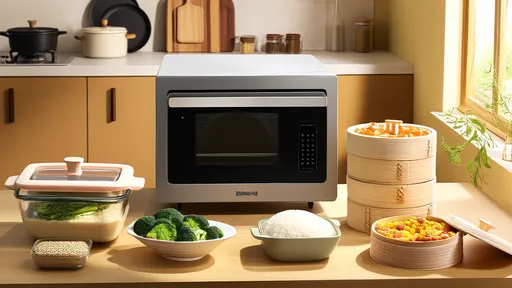
The method of cooking plays a pivotal role in preserving nutrients. Steaming and microwaving are among the best techniques, as they minimize water exposure and reduce cooking time. Boiling, on the other hand, can leach water-soluble vitamins into the cooking liquid. If boiling is necessary, using the leftover water for soups or sauces can help reclaim some of the lost nutrients. Lightly sautéing vegetables with minimal oil can also retain their crunch and nutritional value better than prolonged frying.
Smart Storage Solutions
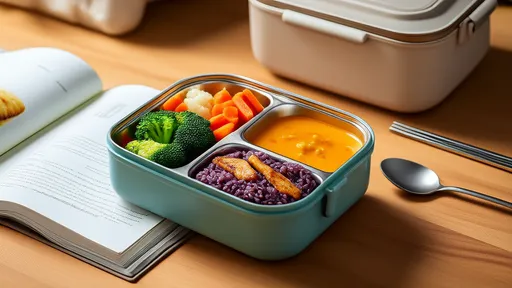
How you store your lunchbox ingredients can make a significant difference. Airtight containers are a must to limit exposure to oxygen, which accelerates nutrient breakdown. Glass or stainless-steel containers are preferable over plastic, as they don’t leach chemicals and provide better insulation. For salads or fresh produce, adding a paper towel to absorb excess moisture can prevent sogginess and slow down vitamin degradation. Keeping the lunchbox in a cool, dark place until mealtime further helps in maintaining freshness.
Timing and Preparation
Preparing meals in advance is a common practice, but timing matters. Cutting fruits and vegetables too early exposes them to air, leading to oxidation. If pre-cutting is necessary, storing them in lemon juice or vinegar can slow down nutrient loss. Similarly, cooking meals the night before and reheating them the next day can cause additional nutrient depletion. Whenever possible, assembling the lunchbox in the morning ensures maximum freshness and nutritional integrity.
The Role of Temperature Control
Temperature fluctuations are a major culprit in nutrient loss. Insulated lunch bags with ice packs are ideal for perishable items like dairy, meats, and certain vegetables. Conversely, hot foods should be kept in thermal containers to maintain their temperature and prevent bacterial growth. Avoiding the "danger zone" between 40°F and 140°F is critical for both food safety and nutrient preservation.
Balancing Convenience and Nutrition
While convenience foods like pre-packaged salads or microwaveable grains save time, they often contain preservatives or have undergone processing that reduces their nutritional value. Striking a balance between convenience and health involves making small adjustments, such as pairing pre-cooked proteins with freshly chopped vegetables or opting for homemade dressings instead of store-bought ones laden with additives.
Final Thoughts
Packing a nutritious lunchbox doesn’t have to be complicated, but it does require mindful practices. From selecting the right ingredients to employing proper storage techniques, each step contributes to preserving the meal’s nutritional quality. By adopting these strategies, office workers can enjoy meals that are not only convenient but also packed with the vitamins and minerals needed to power through the workday.

By /Jul 21, 2025

By /Jul 21, 2025

By /Jul 21, 2025

By /Jul 21, 2025

By /Jul 21, 2025

By /Jul 21, 2025

By /Jul 21, 2025

By /Jul 21, 2025

By /Jul 21, 2025

By /Jul 21, 2025

By /Jul 21, 2025

By /Jul 21, 2025
By /Jul 21, 2025
By /Jul 21, 2025

By /Jul 21, 2025

By /Jul 21, 2025

By /Jul 21, 2025

By /Jul 21, 2025

By /Jul 21, 2025

By /Jul 21, 2025
