As our population ages, the need for specialized dietary considerations becomes increasingly important. One of the most common challenges faced by seniors is dysphagia, or difficulty swallowing. This condition affects not only nutrition but also quality of life, making thoughtful meal planning essential for caregivers and family members.
The art of creating appetizing yet safe meals for those with swallowing difficulties requires both knowledge and creativity. Texture becomes as important as flavor, and presentation plays a crucial role in stimulating appetite. Many elderly individuals with dysphagia experience frustration at being served unappetizing purees or overly soft foods that lack visual appeal. The key lies in transforming familiar dishes into swallow-safe versions without sacrificing their essential character.
Understanding the different levels of food texture modification forms the foundation of effective meal planning. The International Dysphagia Diet Standardisation Initiative has established clear guidelines that categorize foods from level 3 (moderately thick) to level 7 (regular). Caregivers should work closely with speech therapists or dietitians to determine the appropriate texture level for their loved ones. What many don't realize is that within these parameters exists tremendous room for culinary innovation.
Breakfast, often considered the most important meal, takes on new significance for seniors with swallowing issues. Traditional breakfast foods like pancakes can be modified by adding extra moisture and serving them with a drizzle of syrup that has been slightly thickened. Scrambled eggs, when prepared with a bit of milk or cream, maintain a soft consistency that's easy to swallow while providing valuable protein. The addition of finely chopped, soft-cooked vegetables can boost nutritional content without compromising safety.
Lunch and dinner options offer even more opportunities for nutritious and satisfying meals. Slow-cooked meats become tender enough to meet texture requirements while retaining their flavor profile. Fish, naturally soft when properly cooked, serves as an excellent protein source. Creative use of sauces and gravies—thickened to the appropriate consistency—can make all the difference in both moisture content and palatability. Mashed potatoes become a versatile base that can be enriched with cheese, pureed vegetables, or even finely minced meat.
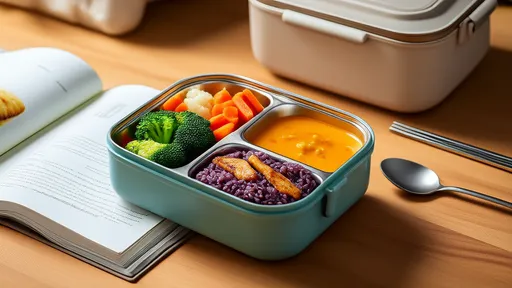
Vegetables often present a challenge, but with proper preparation, they can remain an important part of the diet. Steaming or roasting until very tender, then pureeing or mashing with a bit of butter or olive oil creates nutritious side dishes. Combining multiple vegetables in a puree not only enhances nutrition but also creates more complex flavors that stimulate the appetite. Soups, when thickened appropriately, serve as excellent vehicles for both vegetables and proteins.
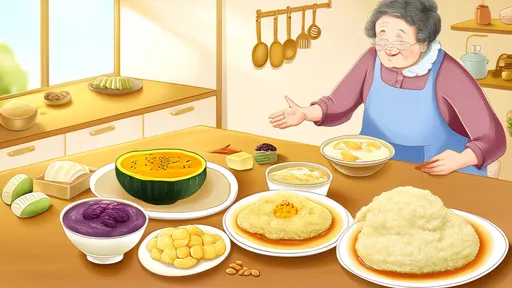
Desserts shouldn't be overlooked in dysphagia diets. Traditional concerns about sugar intake must be balanced against the need to provide adequate calories and maintain quality of life. Custards, puddings, and mousses made with protein-rich ingredients like Greek yogurt or ricotta cheese offer both nutrition and pleasure. Fruit purees can be thickened with tapioca or cornstarch to create satisfying sweet treats that also contribute vitamins and fiber.
Hydration remains one of the most critical aspects of managing dysphagia. Thin liquids pose the greatest risk of aspiration, but simply restricting fluids can lead to dehydration. Commercial thickeners are available to bring water, juices, and other beverages to a safe consistency. However, many find these products alter the taste unpleasantly. Alternatives include naturally thick fluids like smoothies made with yogurt or nectar-thick juices. Ice chips or frozen fruit purees can also provide hydration while minimizing risk.
The social aspect of eating shouldn't be underestimated when planning meals for those with swallowing difficulties. Sharing meals represents more than just nutrition—it's a fundamental human experience tied to memory, culture, and relationships. Whenever possible, modified versions of family favorites should be served during regular meal times with others present. This approach helps maintain normalcy and dignity while addressing medical needs.
Seasoning plays a vital role in making texture-modified foods appealing. As people age, their sense of taste often diminishes, making bold flavors more important than ever. Herbs, spices, and aromatic ingredients can transform a simple puree into something truly delicious. However, caregivers should be mindful of individual preferences and any dietary restrictions related to other health conditions.
Practical meal preparation tips can make the difference between success and frustration in the kitchen. Investing in quality blenders or food processors ensures smooth purees without lumps. Silicone molds can help reshape pureed foods into more familiar forms that are psychologically satisfying. Batch cooking and proper storage techniques allow for efficient preparation of multiple meals while maintaining food safety standards.
The psychological impact of dietary changes shouldn't be underestimated. Many seniors experience grief or frustration when faced with texture-modified diets. Involving them in meal planning and preparation as much as possible helps maintain a sense of control and dignity. Small touches like garnishes or colorful plate presentations can significantly improve the eating experience.
Nutritional density becomes paramount when dealing with dysphagia. Smaller portions of nutrient-rich foods help ensure adequate intake of vitamins, minerals, and protein. Ingredients like nut butters, avocado, and olive oil can boost calorie content without increasing volume. Supplements may be necessary in some cases, but whole foods should form the foundation of the diet whenever possible.
As research continues to advance our understanding of geriatric nutrition, new approaches to dysphagia management continue to emerge. From 3D-printed foods that combine safety with visual appeal to innovative thickening agents that don't alter taste, the future looks promising for those requiring texture-modified diets. What remains constant is the fundamental truth that food represents both physical nourishment and emotional comfort—a duality that deserves our utmost attention and care.

By /Jul 21, 2025

By /Jul 21, 2025

By /Jul 21, 2025

By /Jul 21, 2025

By /Jul 21, 2025

By /Jul 21, 2025

By /Jul 21, 2025
By /Jul 21, 2025

By /Jul 21, 2025

By /Jul 21, 2025

By /Jul 21, 2025
By /Jul 21, 2025

By /Jul 21, 2025
By /Jul 21, 2025

By /Jul 21, 2025
By /Jul 21, 2025

By /Jul 21, 2025

By /Jul 21, 2025

By /Jul 21, 2025

By /Jul 21, 2025
