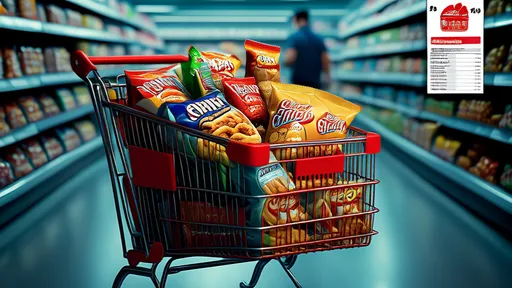
Supermarkets are designed to make shopping convenient, but they’re also filled with subtle traps that can derail even the most health-conscious shopper. The layout, packaging, and promotions often encourage impulse buys that are high in sugar, salt, and unhealthy fats. Understanding these pitfalls can help you navigate the aisles with confidence and fill your cart with truly nutritious choices.
The Illusion of Health is one of the most pervasive tricks in grocery stores. Brightly colored labels boasting "natural," "organic," or "low-fat" can mislead shoppers into thinking a product is healthier than it really is. Many of these items are still packed with added sugars, artificial ingredients, or excessive sodium. For example, granola bars marketed as energy boosters often contain as much sugar as a candy bar. Similarly, flavored yogurts labeled as probiotic-rich may hide shocking amounts of sweeteners beneath their wholesome branding.
Another common trap is strategic product placement. End-of-aisle displays and checkout lane snacks are rarely the healthiest options. These high-visibility spots are reserved for products with the highest profit margins—often processed foods designed to trigger cravings. Even in the produce section, pre-cut fruits and vegetables may seem convenient, but they often come at a premium price and sometimes include preservatives or added sugars to prolong shelf life.
Shoppers should also be wary of portion distortion. Bulk deals and family-sized packages may save money, but they encourage overconsumption. Research shows that people tend to eat more when food is served in larger containers, even if they don’t realize it. Single-serving packages might seem wasteful, but they can help with portion control, especially for snacks and indulgent treats.
The middle aisles of the supermarket are particularly hazardous. Packed with processed foods, these sections are where shoppers encounter most of the hidden sugars, unhealthy fats, and artificial additives. Sauces, dressings, and canned goods often contain surprising amounts of sodium or high-fructose corn syrup. Even seemingly innocent items like whole-grain bread or cereal can be loaded with unnecessary sweeteners if you don’t scrutinize the labels.
One of the most effective ways to avoid these traps is to shop the perimeter of the store first. Fresh produce, lean meats, dairy, and whole grains are typically located along the outer edges, while processed foods dominate the center aisles. Starting with the perimeter ensures that the bulk of your cart is filled with nutrient-dense foods before you venture into the more tempting sections.
Reading nutrition labels is another crucial skill, but it requires more than a quick glance at calorie counts. Ingredients are listed in descending order by weight, so if sugar or refined oils appear near the top, that’s a red flag. Likewise, watch for sneaky synonyms for sugar—words like "syrup," "nectar," or anything ending in "-ose" often indicate added sweeteners.
Finally, don’t underestimate the power of planning ahead. Making a shopping list and sticking to it reduces the chances of impulsive, unhealthy purchases. Eating a balanced meal before heading to the store can also curb cravings and help you make more rational decisions. Supermarkets are engineered to tempt you at every turn, but with awareness and preparation, you can outsmart the system and leave with a cart full of truly nourishing foods.

By /Jul 21, 2025

By /Jul 21, 2025

By /Jul 21, 2025

By /Jul 21, 2025

By /Jul 21, 2025

By /Jul 21, 2025

By /Jul 21, 2025
By /Jul 21, 2025

By /Jul 21, 2025

By /Jul 21, 2025

By /Jul 21, 2025

By /Jul 21, 2025

By /Jul 21, 2025

By /Jul 21, 2025

By /Jul 21, 2025

By /Jul 21, 2025

By /Jul 21, 2025

By /Jul 21, 2025

By /Jul 21, 2025

By /Jul 21, 2025
