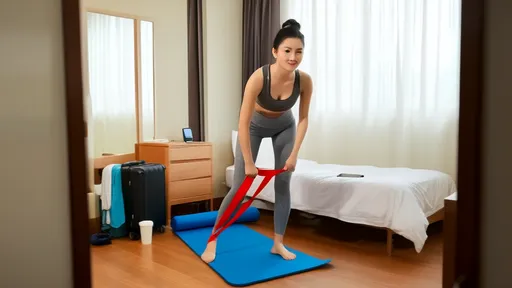
Home-based strength training has become increasingly popular as people seek convenient ways to stay fit without relying on gym equipment. However, the absence of professional supervision and proper equipment increases the risk of injury. Understanding how to protect your body while engaging in self-guided workouts is crucial for long-term health and fitness success.
The foundation of injury prevention in home workouts begins with proper form. Many enthusiasts focus on completing repetitions rather than executing movements correctly. Poor alignment during exercises like push-ups, squats, or planks can strain joints and muscles over time. It's essential to study each movement pattern thoroughly before attempting it, using mirrors or video recordings to self-check your posture. The mind-muscle connection matters more than the number of reps - feeling the target muscles engage properly often indicates better form than simply moving through the motion.
Warm-up routines are frequently neglected in home environments where people jump straight into intense exercises. Cold muscles are more prone to tears and strains, especially when performing dynamic movements. A proper warm-up should include joint mobility exercises and gradual intensity buildup. For upper body workouts, arm circles and shoulder rolls prepare the rotator cuff muscles. Lower body sessions benefit from hip openers and bodyweight lunges that increase blood flow to major muscle groups.
Progressive overload presents unique challenges in bodyweight training. Without the ability to add weight plates, many trainees compensate by dramatically increasing volume or attempting advanced variations prematurely. This approach often leads to overuse injuries. The solution lies in mastering progressions - starting with wall push-ups before progressing to knee push-ups, then full push-ups, and eventually more challenging variations. Each stage should feel controlled before advancing, typically requiring several weeks of consistent practice.
Recovery is equally important as the workout itself, yet frequently overlooked in home training programs. Unlike gym-goers who might have scheduled rest days between equipment usage, home exercisers often repeat the same movements daily. This constant stress on the same muscle groups and joints without adequate recovery leads to cumulative damage. Incorporating active recovery days with stretching or yoga can enhance flexibility while allowing tissues to repair. Pay attention to persistent soreness or joint discomfort as these signal the need for extended recovery.
Environmental factors in home workouts contribute significantly to injury risks. Slippery floors, low ceilings, or cramped spaces can lead to accidents during dynamic movements. The training area should be cleared of obstacles with adequate space for full range of motion. Proper footwear matters even indoors - barefoot training works for some but may lack sufficient support for high-impact movements. Surface choice also affects joint stress; concrete floors transmit more shock than wooden surfaces or exercise mats.
Hydration and nutrition play vital roles in injury prevention that many home trainers underestimate. Dehydration leads to muscle cramps and reduced joint lubrication, while inadequate protein intake slows muscle repair. Unlike gym settings with water fountains and nutrition reminders, home exercisers must consciously maintain hydration and balanced meals to support their training demands. Electrolyte balance becomes particularly important during intense sweat sessions in home environments that might lack proper ventilation.
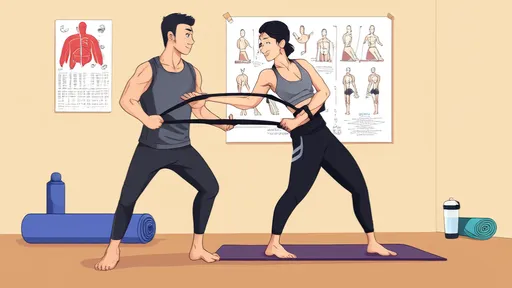
Listening to your body becomes the ultimate safeguard against injuries in self-directed training. Without a coach to spot warning signs, you must develop sensitivity to your body's signals. Sharp pains differ from muscular fatigue - the former requires immediate cessation while the latter indicates productive effort. Joint discomfort typically suggests form breakdown or overuse. Developing this body awareness takes time but proves invaluable for sustainable training. Keeping a workout journal helps track patterns between certain exercises and subsequent pains or strains.
The convenience of home training shouldn't compromise exercise quality. Investing time in learning proper techniques, setting up a safe environment, and respecting recovery needs will yield better long-term results than pushing through questionable workouts. Remember that injury prevention isn't about avoiding challenge - it's about creating conditions where you can consistently challenge yourself without setbacks. With mindful practice, bodyweight training at home can build impressive strength and resilience while minimizing injury risks.
By /Jul 21, 2025

By /Jul 21, 2025

By /Jul 21, 2025

By /Jul 21, 2025

By /Jul 21, 2025

By /Jul 21, 2025

By /Jul 21, 2025

By /Jul 21, 2025

By /Jul 21, 2025
By /Jul 21, 2025

By /Jul 21, 2025

By /Jul 21, 2025

By /Jul 21, 2025

By /Jul 21, 2025

By /Jul 21, 2025

By /Jul 21, 2025

By /Jul 21, 2025

By /Jul 21, 2025

By /Jul 21, 2025

By /Jul 21, 2025
